


Application of Oxygen Therapy in Sports



+353 (83) 072 1193
Speak to a Consultant
HBOT (hyperbaric oxygen therapy) has been used in sports medicine to improve athletes' performance.
The basic advantages of this therapy are fast regeneration and compensation of the oxygen deficit created in the body after strenuous exercise. Its effectiveness has been proven, inter alia, by conducting an experiment on scottish footballers. It has been found that the combination of physical therapy with hyperbaric treatments allows us to shorten convalescence after injuries, and after an effort related to the strain of the motor system – the regeneration time of the body is shortened up to 70%.


What causes such a spectacular effect of hyperbaric oxygen therapy?
Oxygen Therapy for Rugby and Contact Sports Recovery
Rugby and other contact sports place considerable physical demands on athletes through repeated impacts, high-intensity efforts, and physical collisions. Effective recovery is essential for maintaining performance, reducing muscle soreness, and supporting consistent training throughout the season.
Oxygen therapy may assist recovery by increasing oxygen availability to tissues involved in natural repair processes. Hyperbaric oxygen therapy (HBOT) has been explored for its potential to support recovery from soft tissue injuries and intense physical activity. When combined with proper nutrition, hydration, sleep, and physiotherapy, it can form part of a comprehensive recovery strategy for both amateur and professional athletes.
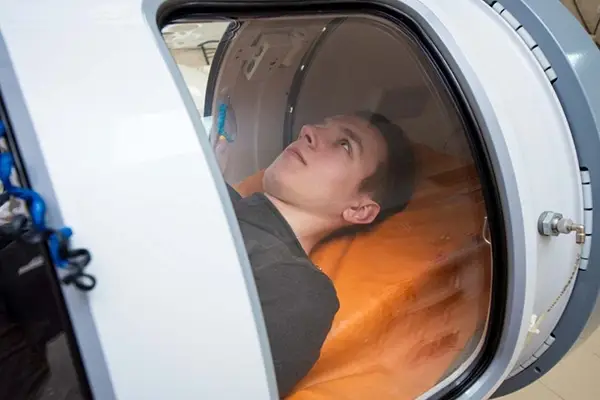

Post-Marathon Recovery and Oxygen Therapy
Completing a marathon places significant demands on the body, often resulting in fatigue, muscle soreness, and reduced performance for several days. As a result, runners commonly look for effective recovery strategies to support their return to training and overall wellbeing.
Oxygen therapy is increasingly being explored as part of post-marathon recovery programmes. By enhancing oxygen availability to tissues, it may support the body’s natural recovery processes following prolonged endurance exercise. However, it should be used alongside proven recovery practices such as proper hydration, balanced nutrition, active recovery, and adequate rest.
Oxygen Therapy During Pre-Season Conditioning
Pre-season training often involves intensive conditioning programmes designed to improve strength, endurance, speed, and overall fitness. These demanding schedules can increase recovery requirements and place significant stress on athletes.
Some athletes incorporate oxygen therapy into broader recovery routines to support training consistency during periods of heavy workload. Effective recovery allows athletes to maintain training quality while reducing the risk of overtraining and excessive fatigue.
Whether preparing for rugby, football, GAA, athletics, or other competitive sports, a structured recovery strategy can play an important role in pre-season readiness.
How Elite Athletes Use Oxygen Therapy
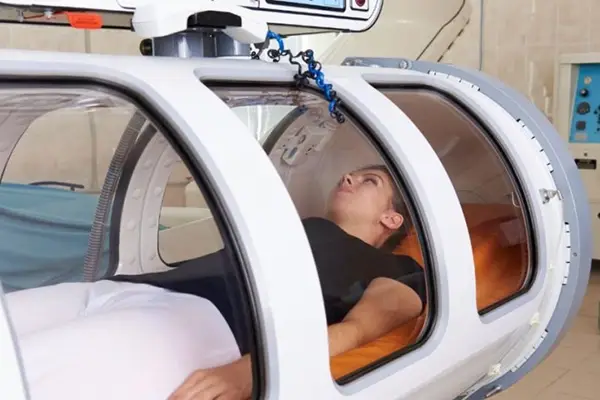
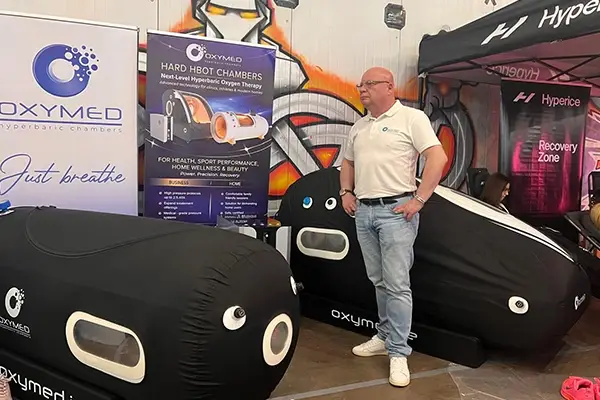
Recovery technologies play an important role in elite sport, and oxygen therapy has gained increasing attention among professional athletes. Many footballers, Olympic competitors, endurance athletes, and tennis players have explored advanced recovery methods to support training demands and recovery between events.
Although individual results vary and athletic performance is influenced by many factors, the growing interest in oxygen therapy highlights the importance of recovery in modern sport. Athletes considering oxygen therapy should consult qualified healthcare professionals and sports medicine specialists to determine whether it is appropriate for their needs.
GAA and Irish Sporting Context
Gaelic football, hurling, and camogie place significant physical demands on athletes, requiring a combination of endurance, strength, speed, and repeated high-intensity efforts. During busy championship periods, effective recovery becomes essential to help players manage training loads and maintain performance.
Oxygen therapy is increasingly being explored as part of a broader recovery approach that may also include physiotherapy, nutrition, strength and conditioning, and quality sleep. As interest in sports recovery continues to grow across Ireland, athletes, coaches, and performance professionals are paying closer attention to oxygen therapy as a potential recovery support option.